International Master of Business Class of 2027 Begins Transformative Journey at SDA Bocconi Asia Center

The SDA Bocconi Asia Center officially welcomed the incoming Class of 2027 on June 10, 2025, with the Opening Day of the 14th edition of the International Master in Business (IMB). The event brought together students, faculty, staff, and alumni to mark the beginning of an exciting academic journey. The SDA Bocconi School of Management’s IMB program is grounded in a modern and adaptable philosophy, crafted to deliver impactful learning experiences that drive real outcomes for early-career professionals. This year’s cohort consists of 391 students with an average age of 23 years and 11 months of prior work experience. Representing 25 states across India and with women comprising 55% of the batch, IMB 8 embodies the program’s commitment to diversity, inclusivity, and cross-cultural learning. The day featured a series of insightful addresses by esteemed faculty members. Professor Maurizio Poli, Academic Director, set the tone with his vision for a globally relevant and academically rigorous experience. Mr. Alessandro Giuliani, Managing Director of SDA Bocconi Asia Center, followed with remarks highlighting the school’s values and international outlook. Further inspiration came from Professor Anjana Grewal, Senior Professor and Senior Director of the Centers of Excellence, who emphasized innovation and leadership as key pillars of the program. Professor Seema Khanvilkar, Program Director, then guided the new cohort through what to expect from the program, outlining how the IMB is designed to shape business-ready professionals with a global mindset. A special highlight of the day was an address by our alumnus from the Class of 2015, Abhimanyu Deshpande, Associate Director – Sales Analytics & RGM at PepsiCo, who shared his personal journey and reflections on how the IMB program helped him evolve as a leader. Since graduating, Abhimanyu has built a dynamic career in strategy and consumer insights across top consulting and FMCG firms. He spent over four years at PwC driving transformation projects in supply chain and go-to-market strategies, followed by leadership roles at Accenture and PepsiCo, where he now shapes Net Revenue Management across Africa, the Middle East, and APAC. With diverse backgrounds and shared ambition, IMB 8 has officially embarked on a transformative journey—one that promises growth, challenge, and global opportunity. Welcome to IMB 8 – the Class of 2027. Your journey toward a world-class business education begins here.
Mr. Kant Urges Masters Graduates from the 2023-25 Batch to Embrace Disruption and Lead Global Change
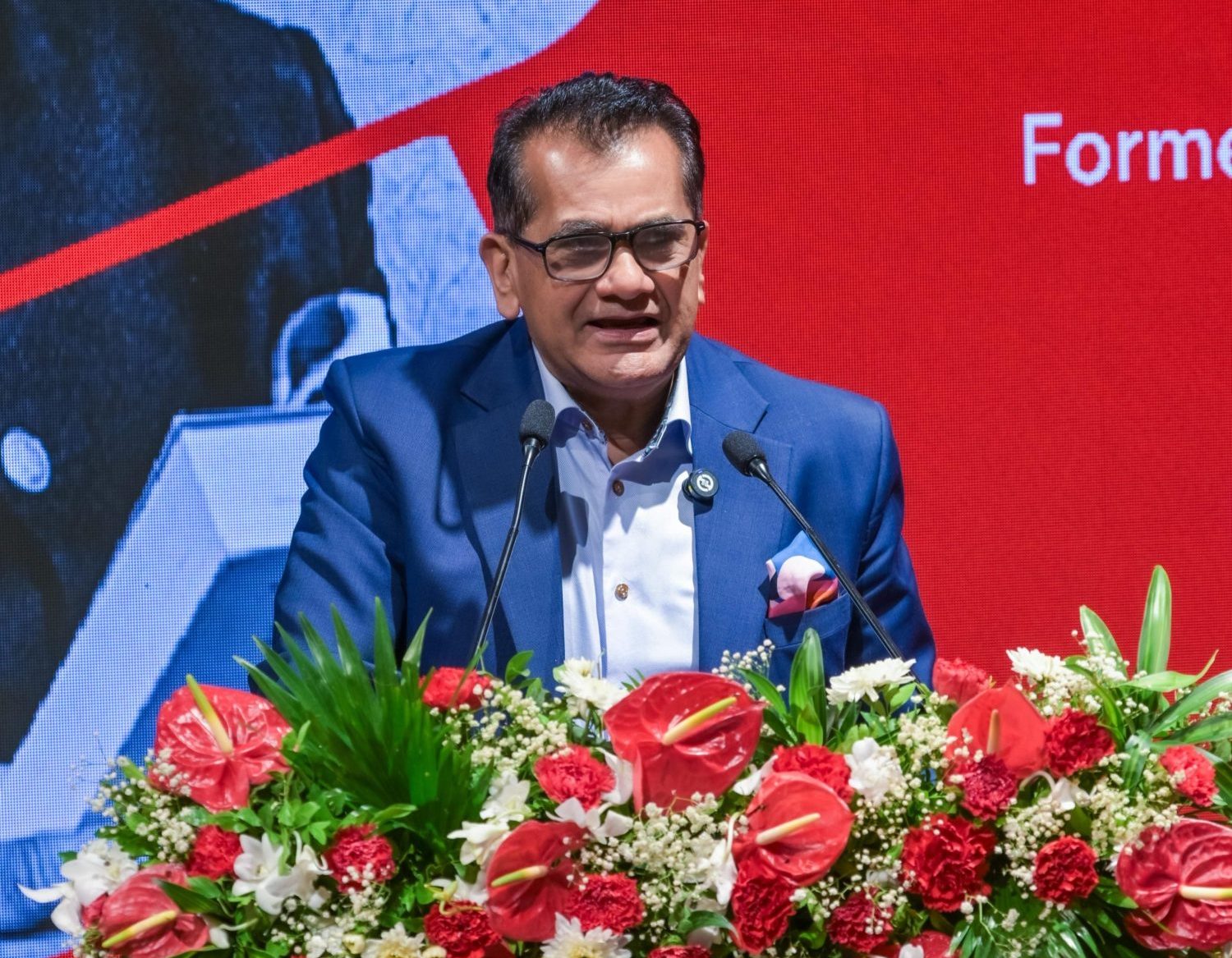
Amitabh Kant, India’s G20 Sherpa and former CEO of NITI Aayog, delivered an inspiring keynote at the SDA Bocconi Asia Center’s Convocation Ceremony on May 3, 2025. Known for his leadership in driving India’s economic and digital transformation, Kant addressed the graduating class with a call to harness disruption as an opportunity for leadership and impact. In his speech, Kant emphasized the need for young leaders to navigate a world defined by disruption—be it geopolitical conflict, broken global supply chains, climate challenges, or emerging technologies like AI and quantum computing. “You are graduating at a time when the world is being redefined,” he said. “This is not a moment of crisis—this is your moment of opportunity.” He urged students to recognize India’s potential to lead on the global stage. With a youthful population, strong digital infrastructure, and a thriving innovation ecosystem, India is on track to become a $30+ trillion economy by 2047. The Class of 2025 reflected this optimism and diversity: 54% female and 46% male students, with an average age of 23. Their academic backgrounds ranged across Engineering (26%), Commerce (24%), Management (29%), Arts (12%), Science (7%), and Others (2%). Many came with prior experience across sectors like IT/ITES, Consulting, Manufacturing, Realty, Healthcare, Marketing, Advertising, E-Commerce, FMCG, and more. Kant praised SDA Bocconi Asia Center for cultivating industry-ready leaders with global perspectives. He encouraged graduates to harness their skills to not only drive India’s transformation but to influence the world—making their education, heritage, and innovation a force for global progress.
SDA Bocconi Asia Center Celebrates Global Recognition for Custom Executive Education

SDA Bocconi School of Management has been ranked 3rd in the world for Custom Executive Education in the 2025 Financial Times Ranking, a testament to its enduring commitment to delivering high-impact, co-designed learning experiences for organizations worldwide. This rankings marks an ascent of 3 positions compared to the 2024 FT Ranking, where the program was ranked 6th worldwide. At SDA Bocconi Asia Center, this recognition reinforces the value we bring to leading Indian companies through bespoke executive education programs that blend global expertise with local relevance. A key driver of this global recognition is faculty excellence. SDA Bocconi ranked 1st worldwide in the faculty and teaching methodology parameter—an endorsement of the School’s ability to combine academic rigor with innovative, practical approaches that deliver measurable impact. Our faculty members are recognized not only for their thought leadership, but also for their ability to translate insights into actionable strategies, making learning relevant, engaging, and immediately applicable. These strengths are embedded into every program we deliver at the Asia Center, where global teaching standards are adapted to address the unique challenges of the Indian business environment. The result is a powerful learning experience that equips leaders to navigate complexity, lead change, and deliver results As SDA Bocconi School of Management Dean, Stefano Caselli, highlights: “Custom executive education has always been at the heart of the School’s history, DNA and identity. It reflects the ability to respond promptly and flexibly to the needs of companies and institutions, combined with a distinctive care in managing relationships and creativity in designing content. The result we’ve achieved is closely linked to both our international expansion and the ability to generate impact, starting from our own country.” Our Custom Executive Education programs go beyond conventional training—they are a transformational partnership, built in close collaboration with client organizations. Each program is tailored to address distinct business challenges, enhance leadership capabilities, and drive measurable impact across the enterprise.
Future Leaders in Action: Recap of the Hult Prize On-Campus Round
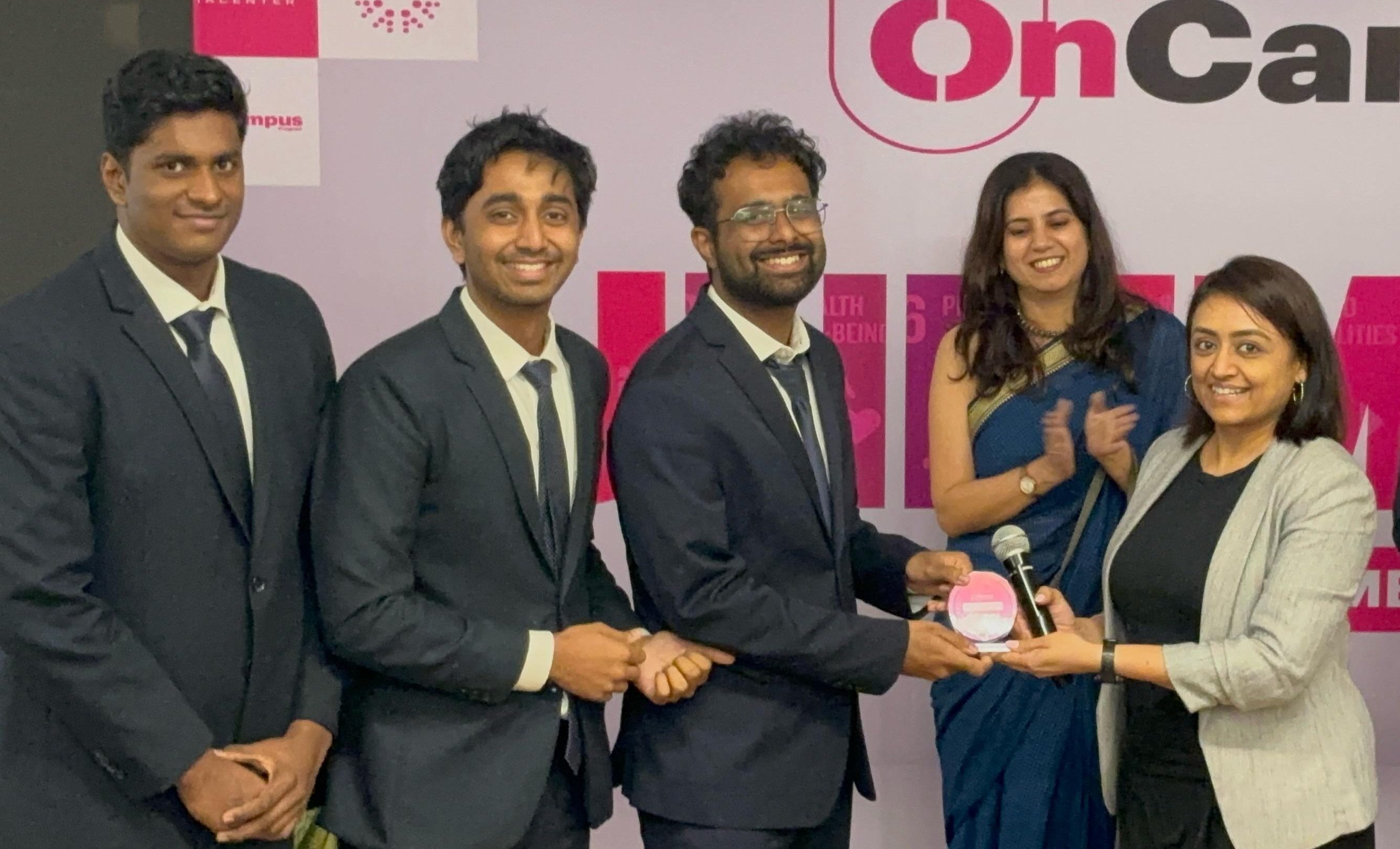
Earlier this year, SDA Bocconi Asia Center proudly hosted the Hult Prize On-Campus Round, bringing together 93 student teams who presented innovative, sustainable business ideas aligned with one or more of the United Nations Sustainable Development Goals (SDGs). The competition was a testament to the creativity, passion, and commitment of the next generation of changemakers. Often referred to as the “Nobel Prize for Students,” the Hult Prize is one of the world’s most prestigious platforms for social entrepreneurship. With participation from over 120 countries, the challenge empowers young innovators to develop business-driven solutions to some of the world’s most pressing global issues. We had the distinct honor of welcoming eight esteemed judges, each a leader in their field of social impact and sustainability: Ms. Mira Gugnani – CEO, Thrive India Ms. Devanshi Dwivedi – AVP, Corporate Sustainability, JM Financial Mr. Rahul Nainani – Co-Founder & CFO, ReCircle Mr. Purav Desai – Co-Founder, Greenlit & Cupable Mr. Viraaj Doshee – Managing Partner, PACK DEAL & Head, India Chapter – Liter of Light Mr. Arvind Giri – Lead, CSR, Alivus Life Sciences (formerly Glenmark Life Sciences) Mr. Pritesh Mistry – Founder & CEO, The Bio Company Mr. Rajesh Kumar – Head, CSR, Alkem Laboratories Ltd. These industry experts evaluated each team’s proposal on the basis of innovation, feasibility, and potential impact. The level of competition was exceptionally high, and participants impressed the panel with their strategic thinking and dedication to building practical, purpose-driven solutions. Following careful deliberation, Team EcoVision was declared the winner of the On-Campus Round. Their project focused on transforming sustainability in the rubber industry by introducing an innovative, eco-friendly process to produce sustainable rubber alternatives. The solution aims to significantly reduce carbon emissions while addressing the global issue of microplastic pollution in oceans. EcoVision’s initiative not only presents strong environmental benefits but also promotes economic development by enabling job creation within local communities. The team later went on to represent SDA Bocconi Asia Center at the Hult Prize Regional Summit, further amplifying their vision on a broader platform. Reflecting on the experience, Sagar Chaudhari, a member of Team EcoVision, shared: “Being part of the Hult Prize journey has been transformational. It wasn’t just a competition — it was a crash course in social innovation, team synergy, and building scalable solutions under pressure. From our campus win to representing at the national finals, it deepened my problem-solving mindset and gave me confidence to tackle global challenges with entrepreneurial thinking.” We extend our sincere gratitude to the judges, participants, faculty, and organizing team who contributed to the success of this event. The Hult Prize is more than a competition—it is a global movement, inspiring students to become purpose-driven leaders of tomorrow. At SDA Bocconi Asia Center, we remain committed to fostering innovation, leadership, and sustainable impact. The future, undoubtedly, looks bright.
With Pride and Purpose: SDA Bocconi Bids Farewell to IMB Class of 2025
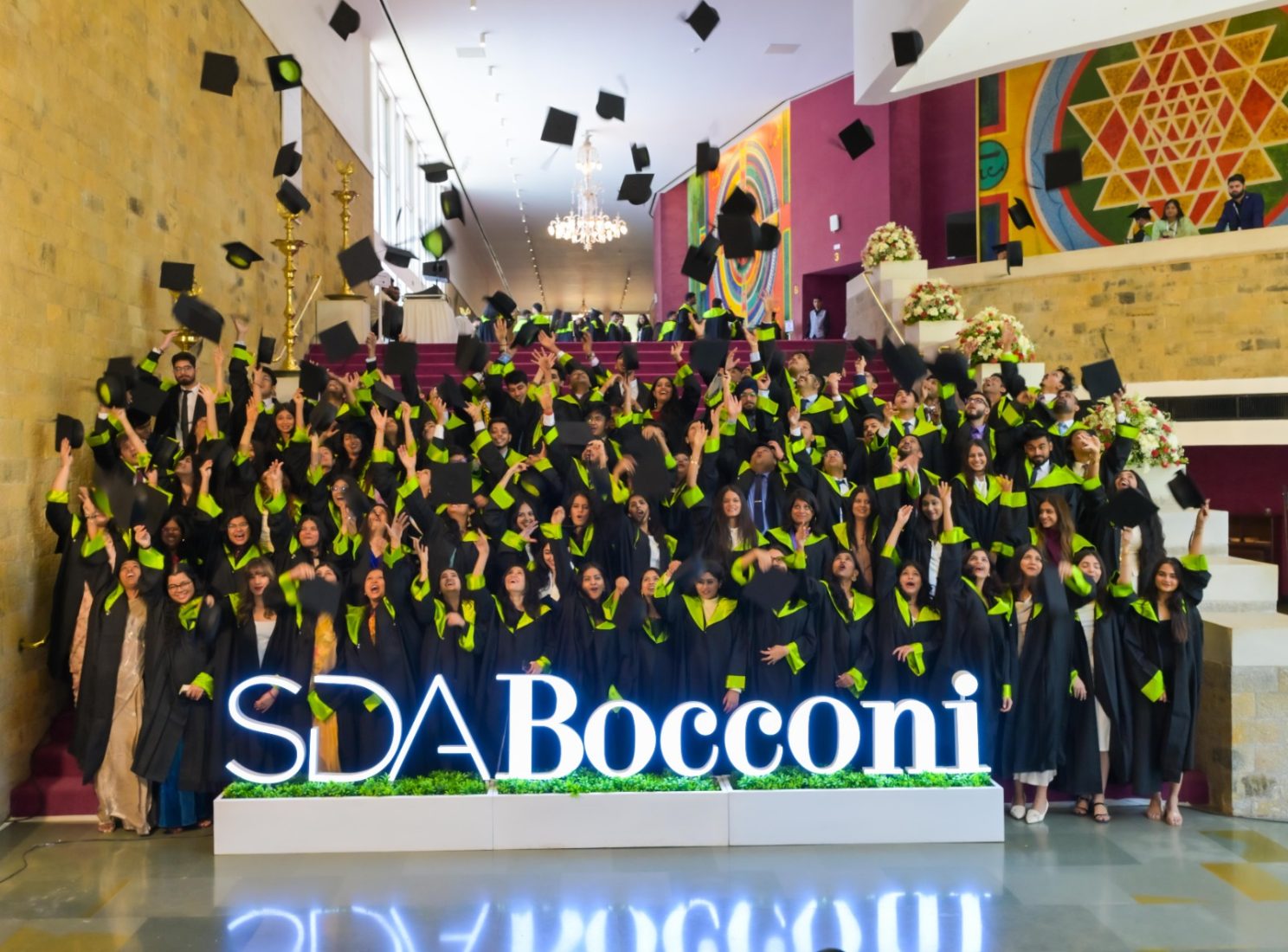
On a warm May afternoon, 317 students of the International Master in Business (IMB), Class of 2025 celebrated their convocation at NCPA’s Tata Theatre. The ceremony was a proud culmination of two transformative years filled with growth, grit and togetherness. The 12th convocation of our post graduate program was marked by thought-provoking addresses from Prof. Maurizio Poli, Academic Director of the International Master in Business, Mr. Alessandro Giuliani, Managing Director of SDA Bocconi Asia Center, and Chief Guest Mr. Amitabh Kant, G20 Sherpa and Former CEO of NITI Aayog. Professor Poli urged students to actively shape their futures: “In the end, we have to create our own opportunities. Create opportunities with curiosity and courage. Curiosity to explore new ideas and new changes in your life; and courage to actually get the opportunity and go through them with your head held high.” As Mr. Giuliani reminded the cohort, “Real success isn’t just built in lecture halls or labs. It’s built in everyday life—through discipline, through sacrifice, through the moments when no one is watching, and you still choose to rise.” Student speakers Sannia Sajive and Krishna Govindarajan delivered a heartfelt tribute to their batch, capturing the highs and hurdles of the past two years. “Today, as we step into the professional world with confidence,” they shared, “we do so knowing that this program has equipped us with the tools, the mindset, and the resilience to thrive.” Diplomas were conferred by the aforementioned faculty and dignitaries and by Prof. Anjana Grewal, Senior Professor and Senior Director, Centers of Excellence, Prof. Seema Khanvilkar, Deputy Director IMB and Professor of Business Communication, and Prof. Shibani Belwalkar, Program Director – IEMB and Professor of Human Resource Management. The event concluded with awards and recognitions, including a special congratulations to Gold Medalist Anishaa Gupta for her exceptional academic performance. A new chapter now begins — with bold dreams and a Bocconi spirit that endures.
Navigating Uncertainty: Insights from SDA Bocconi Asia Center’s Leadership Summit 2025

In a world where disruption is the norm—driven by geopolitical shifts, technological revolutions, and economic turbulence—effective leadership is about more than just vision. It demands adaptability, resilience, and the ability to turn uncertainty into opportunity. Held in Mumbai, the SDA Bocconi Asia Center’s 2025 Leadership Summit brought together global leaders, policymakers, and industry experts to explore strategies for thriving in this unpredictable environment. As part of Italy’s SDA Bocconi School of Management, the Asia Center continues to be a platform for fostering innovative and future-ready leadership. Leadership Reimagined for a Complex World Alessandro Giuliani, Managing Director of SDA Bocconi Asia Center and President of the Indo-Italian Chamber of Commerce, opened the summit by emphasizing that true leadership today extends beyond academic credentials. “Leadership is about confronting global challenges with adaptability, ethical integrity, and a mindset geared toward collaboration,” he stated. According to Giuliani, lifelong learning and a deep understanding of global dynamics are crucial for leading effectively in uncertain times. Strategic Adaptability in Focus Former G20 Sherpa advisor Siddharth Sinha delivered the keynote, highlighting how India’s G20 leadership succeeded by converting obstacles into avenues for progress—particularly around green development and digital infrastructure. This theme carried into a fireside chat moderated by Prof. Shibani Belwalkar with Aman Mittal, Joint CEO of MITRA. Mittal stressed the importance of government and private sector synergy to promote sustainable growth. “India has a unique chance to industrialize sustainably with the help of AI, green hydrogen, and clean energy technologies,” he noted. Key Panels: Addressing Global Business Challenges 1. Navigating International ComplexityThis session, led by Prashant Parashar, featured business leaders including Alokedeep Singh and Mandar Desai. They discussed the complexities of global expansion, underscoring the importance of digital innovation, policy foresight, and operational agility. Mandar Desai recounted firsthand how abrupt policy shifts can disrupt global supply chains, while Gaurav Poddar emphasized that what were once minor risks are now major business concerns. 2. Sustainability and GeopoliticsModerated by Bidisha Banerjee, this panel tackled how businesses can align with sustainable practices amid geopolitical tension. Nirav Jagad of Sugar Cosmetics highlighted how consumer expectations for transparency and eco-conscious products are reshaping business priorities. Panelists agreed that sustainability must be deeply embedded in strategic planning. 3. Technology and DiplomacyWith Varun Singh as moderator, experts like Aishwarya Jaishankar and Rohit Kilam discussed the diplomatic potential of technologies like AI and blockchain. The panel emphasized the urgency of ethical frameworks and international cooperation in driving responsible tech innovation. 4. Cross-Border Investment StrategiesMitul Shah led a discussion on attracting foreign investment during economic volatility. Industry voices such as Anil Ghelani and Pulak Jain stressed the importance of aligning with global investor expectations and policy trends to secure funding and maintain growth. Empowering the Leaders of Tomorrow Wrapping up the summit, Ruchi Garud, Head of Marketing at SDA Bocconi Asia Center, emphasized the school’s commitment to preparing students for real-world challenges through strategic conversations. “Business schools are not just places of learning—they are incubators for innovation, diplomacy, and leadership,” she said. Dr. Shibani Belwalkar reinforced the idea that India’s future hinges on leaders who embrace innovation and sustainability. Professor Paola Bielli concluded that in today’s fast-changing world, adaptability is no longer optional—it’s essential. A Call to Action for Future-Focused Leadership The 2025 Leadership Summit went beyond sharing ideas—it was a rallying cry for leaders to embrace change, drive innovation, and collaborate for a sustainable future. As global interconnectivity deepens, those who anticipate and act with foresight will shape the next chapter of leadership.
How India is Moving Towards Experiential Luxury
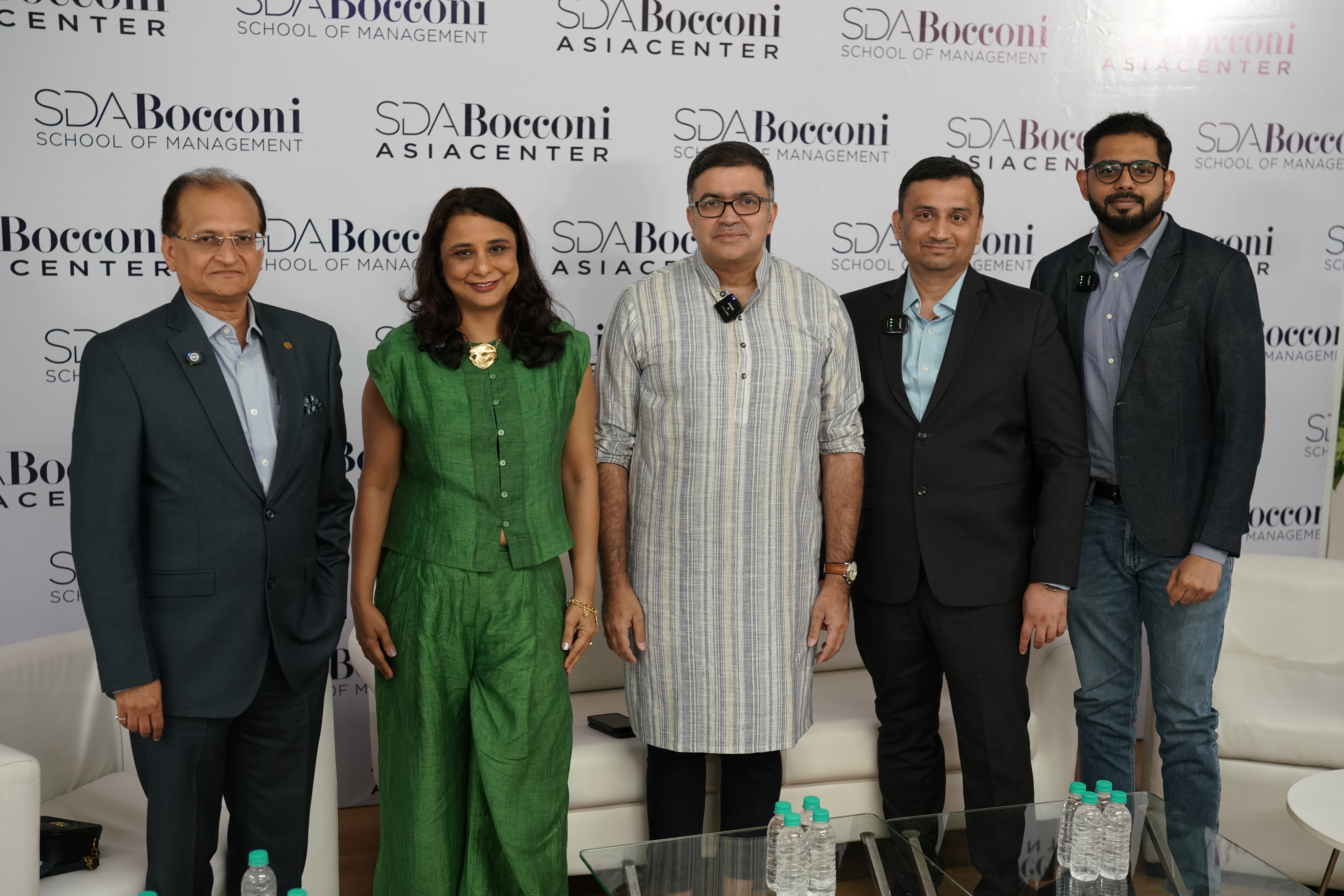
On February 19, 2025, an engaging panel discussion, “How India is Moving Towards Experiential Luxury,” explored how luxury in India is evolving beyond materialism to focus on immersive, meaningful experiences. The session, hosted by Nainam Joshi from the International Master of Business (IMB) 6 cohort, and attended by our IMB students eager to understand the changing dynamics of luxury, provided valuable insights into this transformation. Panelists emphasized that Indian consumers now prioritize lifestyle curation over mere asset ownership. Wellness programs, concierge services, and sustainability-driven initiatives are shaping the new luxury landscape. Brands are adapting to these shifts by aligning with consumer values, ensuring cultural relevance, and enhancing personalization. Rushaabh Shah, Chief Marketing Officer, Rustomjee, highlighted, “Today’s luxury homebuyers seek not just prime locations and stunning designs but holistic experiences that integrate convenience, wellness, and community engagement.” Beejal Desai, Executive VP at Indian Hotels Company Limited, shared insights on maintaining diverse brand identities across Taj, Vivanta, SeleQtions, and Ginger while catering to varied luxury expectations. Initiatives like ‘Woyages of a Lifetime’ exemplify their focus on unique and personalized experiences, especially for women travelers. This shift demonstrates how brands are innovating to offer more inclusive and tailored experiences. The insights shared moved beyond traditional definitions of luxury and focused on meaningful, experiential elements. Panellists also spoke about the evolving landscape of consumer preferences and the role of personalization in modern luxury. Parthip Thyagarajan, CEO, Wedding Sutra, noted that “The ‘Big Fat Indian Wedding’ is evolving into a more personalized affair, where couples seek immersive, tailor-made experiences rather than just grandeur.” Students engaged in discussions about how this shift is making weddings more meaningful and reflective of personal stories. Reena Chhabra, CEO of Nykaa’s Private Label Beauty Brands, discussed how Nykaa balances inclusivity by offering both value-driven and high-end products. Events like ‘New at Nykaa’ create exclusivity, elevating brand perception. Neeraj Pandit, National Head, Paul John Whisky, highlighted how limited-edition releases and curated experiences enhance customer engagement and brand value. He also reflected on the inspiring journey of their Chairman in building a world-class whisky brand. His perspective gave a unique insight into how passion and craftsmanship shape luxury brands. The discussion underscored that the future of luxury in India lies in transforming consumption into meaningful experiences. Experiential luxury is about emotional connections rather than mere possessions, driven by the “Mindful Revolution” that emphasizes sustainability and cultural relevance. Weddings are evolving into bespoke celebrations, while premium brands leverage personalization to deepen consumer appreciation. With innovation, sustainability, and authenticity at the forefront, the industry is poised for continued growth. Thank you to our esteemed partners and faculty, Dr. Radhika Narayanan, and Prof. Seema Khanvilkar for curating this thought-provoking panel.
Insurance Summit 2025: Growth, Innovation & Customer-Centric Solutions

The Indian insurance sector is undergoing a rapid transformation, driven by technological advancements, regulatory reforms, and evolving customer expectations. At Insurance Summit 2025, students of the International Master in Business program gained valuable insights from industry leaders on fostering sustainable growth, building customer trust, and creating long-term value in a dynamic market. The summit opened with insights from Alessandro Giuliani, Managing Director of SDA Bocconi Asia Center, setting the stage for engaging discussions. The event featured two panel discussions, each focusing on a critical pillar of India’s insurance industry—General Insurance and Life Insurance—delving into the challenges and opportunities shaping the future of the sector General Insurance: The Evolution of Risk Coverage The general insurance panel explored how insurers are adapting to new risks and creating innovative solutions. Anup Rau, MD & CEO, Future Generali India Insurance Company Limited, highlighted the need to go beyond traditional offerings, stating, “Innovation is no longer enough; we need true invention. From pet insurance to DIY health plans, the industry must evolve to meet dynamic consumer needs.” India’s digital push was a key focus, with Siva Prasath B, MD & Head of Knowledge Services (India), Marsh McLennan, emphasizing Bima Sugam, a digital insurance marketplace, and Bima Vistaar, a comprehensive insurance product. He noted that “Cyber insurance is set to surpass motor insurance in importance as digital risks increase.” The discussion also covered the growing role of insurers as financial consultants rather than mere sellers, addressing evolving customer expectations. Personalized health insurance, including fitness-linked premium refunds, was identified as a major trend. Life Insurance: A Shift Towards Personalization and Financial Security The life insurance panel focused on its transition from a push-based product to one driven by consumer awareness and financial planning. Panelists emphasized the need for seamless onboarding and value-driven policies, ensuring accessibility for a broader audience. Privatization and the impact of COVID-19 have further accelerated life and health insurance adoption, making financial security a top priority. Abhijit Gulanikar, President, Business Strategy, SBI Life Insurance Co. Ltd., debunked the notion that insurance is dull, emphasizing its critical role in financial planning. He stated, “People underestimate the financial impact of insurance. It’s not just about protection but about long-term financial planning.” The discussion also explored how digital transformation is making insurance more accessible and personalized, shifting the industry towards a smarter, customer-focused approach. Consumers are now more aware of the need for financial protection, and insurers are leveraging technology to offer tailored solutions. The insurance industry in India is shifting towards a smarter, tech-driven, and highly personalized approach, ensuring customers receive more value, flexibility, and financial security. The future is not just about coverage—it’s about innovation, education, and empowerment. As the summit concluded, students had the opportunity to engage with panelists, asking insightful questions about the industry and their careers. They also gained valuable perspective from Prof. Anjana Grewal’s closing remarks. As Senior Professor and Senior Director of Centers of Excellence, she emphasized the industry’s year-over-year growth and its significant impact on the Indian populace.